Construction projects can be daunting, especially when delays, cost overruns, and material mismatches come into play. Whether you’re a homeowner planning an extension, a property developer designing multi-unit housing, or a business owner building commercial premises, the right materials make all the difference. At DN Building Services, based in Sydney, we understand how critical it is to get it right the first time. One essential building material we’re often asked about is Concrete Masonry Units (CMUs) – and particularly their sizes. Let’s dive into everything you need to know about CMU block sizes to ensure a seamless construction process.
Understanding CMU Block Sizes
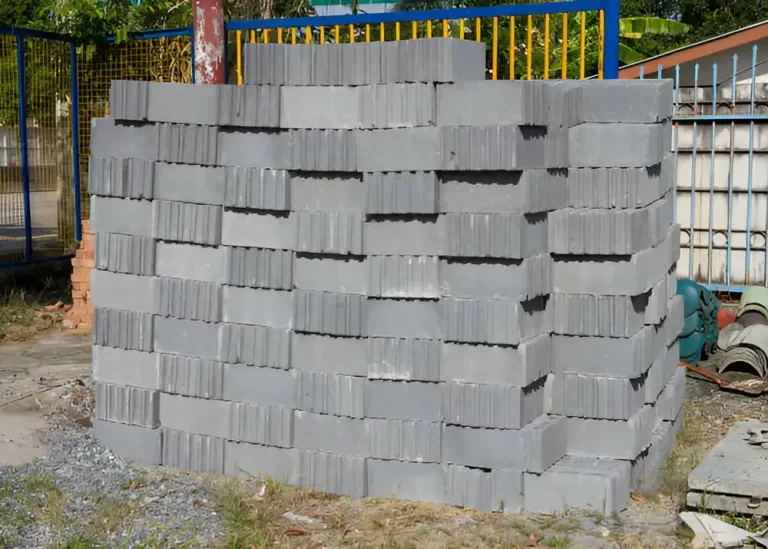
CMU blocks, also known as concrete blocks or cinder blocks, are the backbone of many construction projects. Their size and versatility make them ideal for residential, commercial, and industrial applications. But what exactly are the standard dimensions? Here’s a quick breakdown:
| CMU Block Type | Dimensions (L x H x W) | Typical Use Cases |
| Standard Concrete Block | 390 mm x 190 mm x 190 mm | Load-bearing walls, general construction. |
| 4 CMU Block | 390 mm x 190 mm x 90 mm | Non-load-bearing walls, lightweight partitions. |
| 6 CMU Block | 390 mm x 190 mm x 140 mm | Partition walls, moderate load requirements. |
| 10 CMU Block | 390 mm x 190 mm x 240 mm | Structural walls with added strength. |
| 12 CMU Block | 390 mm x 190 mm x 290 mm | High-load applications, industrial walls. |
| 16 CMU Block | 390 mm x 190 mm x 390 mm | Heavy-duty projects requiring maximum support. |
Each size serves a unique purpose, and selecting the right one depends on your project’s specific requirements. For example, 10 CMU block dimensions are commonly chosen for structural projects, whereas 4 CMU block dimensions are preferred for lighter, non-load-bearing applications.

Advantages of CMU Blocks
Concrete Masonry Units are favoured in construction for many reasons, including their versatility, durability, and cost-effectiveness. Let’s explore their key benefits:
1. Strength and Durability
- CMU blocks are engineered for high compressive strength, making them suitable for both residential and commercial projects.
- Their resistance to weathering and pests ensures longevity, even in Sydney’s variable climate.
2. Fire Resistance
- Concrete blocks have excellent fire-resistant properties, making them a safe choice for buildings.
- This quality is especially important for multi-building developments where safety is a top priority.
3. Thermal and Acoustic Insulation
- CMU blocks provide effective thermal mass, helping regulate indoor temperatures.
- Their density also acts as a sound barrier, ideal for properties in busy urban areas.
4. Versatility in Design
- Available in various sizes and finishes, CMU blocks can adapt to different architectural styles.
- For example, 12 CMU block dimensions work well in industrial-style builds, while 4 CMU block dimensions are perfect for sleek, modern designs.
Challenges in Construction: Why CMU Sizes Matter
Problem: Mismatched Materials and Costly Delays
A common challenge in construction is choosing the wrong materials, leading to project delays and budget overruns. Mismatched CMU sizes can cause issues in:
- Structural integrity.
- Aesthetic appeal.
- Time spent on cutting or resizing blocks onsite.
Agitate: The Consequences of Overlooking Expertise
Ignoring the importance of professional guidance can result in:
- Weakened Structures: Incorrect block sizes may compromise the building’s durability.
- Increased Costs: Fixing mistakes requires additional labour, materials, and time.
- Safety Risks: Poorly built structures can pose serious safety hazards.
The DN Building Services Difference
At DN Building Services, we help homeowners, developers, and businesses overcome these challenges with our expertise in construction and design solutions. Here’s how we can support your next project:
1. Expert Material Selection
We guide you through the selection of the right CMU block sizes for your project, ensuring:
- Structural integrity.
- Cost-efficiency.
- Compliance with local regulations.
2. Comprehensive Services
Our range of services includes:
- Concrete Slabs: Durable and versatile foundations for residential and commercial projects.
- Structural Frames: Robust frameworks tailored to your design.
- New Builds: From single homes to multi-building developments, we handle it all.
- Renovations and Extensions: Seamless integration with existing structures.
3. Proven Track Record
With over 20 years of experience, our portfolio speaks for itself. Here’s what one of our clients had to say:
“DN Building Services turned my vision into reality. They advised on the right materials and executed the project on time and within budget. I couldn’t be happier!” – Sarah, Sydney homeowner.
Common CMU Block Applications
1. Residential Construction
- Load-bearing walls: Use standard concrete block size for strong, durable walls.
- Basement foundations: Opt for 12 CMU block dimensions for extra support.
2. Commercial Construction
- Partition walls: Ideal for creating separate spaces within offices or retail stores, using 6 CMU block dimensions.
- Façades: Achieve aesthetic appeal with decorative finishes.
3. Multi-Building Projects
- Structural walls: Ensure durability with 16 CMU block dimensions.
- Soundproofing: Leverage the acoustic properties of concrete blocks for quieter environments.
4. Landscaping Projects
- Retaining walls: Use 10 CMU block dimensions for stability in landscaping.
- Outdoor seating and planters: Smaller blocks like 4 CMU dimensions offer creative design options.

Frequently Asked Questions
1. What are the standard concrete block sizes used in Sydney?
The most common size is 390 mm x 190 mm x 190 mm, suitable for a variety of applications.
2. How do I choose the right CMU block size?
Consider factors like load-bearing requirements, wall thickness, and aesthetic preferences. Consulting professionals like DN Building Services ensures the best choice for your project.
3. Can DN Building Services assist with council approvals?
Yes, we provide end-to-end support, including navigating council approval processes to streamline your project.
4. What’s the difference between 4 CMU and 6 CMU blocks?
4 CMU blocks are thinner (90 mm width) and ideal for non-load-bearing walls, while 6 CMU blocks (140 mm width) are suitable for partitions with moderate load requirements.
5. Are concrete slabs necessary for every project?
Not always, but they’re essential for ensuring a solid foundation in most residential and commercial builds. Our team can assess your project’s needs.
6. What are the advantages of using 16 CMU block dimensions in heavy-duty projects?
The 16 CMU block dimensions provide maximum structural support, making them ideal for retaining walls, industrial builds, and other demanding applications.
Building Your Future with DN Building Services
Choosing the right materials and services is the cornerstone of any successful construction project. With DN Building Services, you’re not just hiring a construction company; you’re partnering with Sydney’s trusted experts. Let us help you bring your vision to life with precision, efficiency, and professionalism.
Contact us today for a free onsite quote or consultation!